


Please Leave Us A Message

Haoyong Automotive Controls
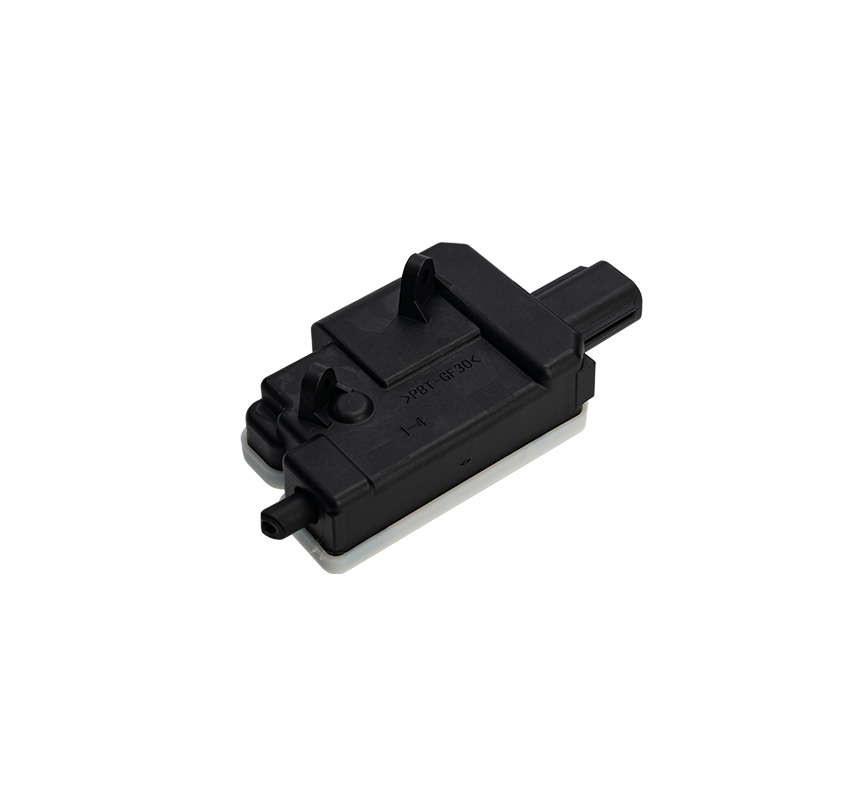
A heater blend Door Actuator is an electromechanical component in a vehicle's heating, ventilation, and air conditioning (HVAC) system. It controls the position of the blend door inside the HVAC housing, regulating how much air passes through or around the heater core. By adjusting this airflow, the actuator helps maintain the cabin temperature selected by the driver or passenger.
Although it is a relatively small component, the heater blend Door Actuator directly affects heating performance, air conditioning temperature control, and passenger comfort. Most modern vehicles use an electric motor and a gear mechanism to move the door. In automatic climate control systems, the actuator receives positioning commands from the HVAC control module and adjusts the blend door accordingly. Understanding its operating principle, failure modes, and manufacturing requirements helps automotive parts distributors, importers, and buyers evaluate replacement components more effectively.
The heater blend door actuator moves a flap inside the vehicle's HVAC assembly. This flap determines how much incoming air travels through the heater core and how much bypasses it. The heater core transfers heat from the engine coolant to the cabin air, while the evaporator is responsible for cooling and dehumidifying air during air conditioning operation.
When the driver selects a higher temperature, the actuator moves the blend door to allow more air to pass through the heater core. When a lower temperature is selected, the door changes position to reduce the amount of heated air entering the cabin. Intermediate positions allow the system to mix air at different temperatures.
A typical electric heater blend door actuator contains several functional components:
DC motor: Converts electrical energy into rotational movement.
Reduction gear system: Reduces motor speed and increases the torque available to move the blend door.
Output shaft: Transfers rotational movement from the actuator to the blend door mechanism.
Position feedback sensor: In feedback-equipped designs, reports the actuator's position to the HVAC control module.
Electrical connector and housing: Protect the internal components and provide the electrical and mechanical interfaces required for installation.
Not every actuator uses the same internal design. Some systems use simple motor-driven mechanisms, while others incorporate position sensors and electronic feedback. Voltage, connector configuration, gear geometry, rotation range, and calibration requirements vary by vehicle application. Buyers should therefore confirm the original equipment specifications before selecting a replacement door actuator.
The actuator is important because the HVAC control panel cannot regulate air temperature by itself. It sends a command, but the actuator must convert that command into physical movement. If the actuator cannot position the blend door correctly, the system may continue operating while delivering air at the wrong temperature.
For example, a vehicle may have a functioning heater core and sufficient engine coolant, but the cabin still receives cold air because the blend door remains in the cooling position. Similarly, a door stuck toward the heating position can cause warm air to enter the cabin even when the driver selects a cooler setting.
In dual-zone climate control systems, separate actuators may control the driver and passenger temperature zones. A failure in one actuator can result in different temperatures on the two sides of the cabin. This makes correct actuator identification particularly important for replacement parts distributors.
Incorrect cabin temperature is one of the most recognizable symptoms. However, the same problem can also be caused by a damaged blend door, a broken linkage, an electrical fault, or an HVAC control module issue. A proper diagnosis should identify the actual cause before a replacement actuator is ordered.
If the driver changes the temperature from cold to hot but the vent temperature remains unchanged, the actuator may not be moving the blend door. Worn gears, a failed motor, a damaged output coupling, or an incorrect position signal can prevent the system from reaching the requested position.
For instance, a repair technician may find that the air conditioning system produces cold air normally, but selecting maximum heat does not increase the outlet temperature. The technician should check whether the actuator receives the correct command and whether the blend door moves through its intended range. If the actuator moves but the door does not, the mechanical connection may be damaged instead.
A repeated clicking sound when changing the temperature can indicate damaged or slipping reduction gears. Plastic gears are commonly used because they are lightweight and economical to manufacture. However, insufficient gear strength, poor dimensional accuracy, excessive loading, or repeated mechanical obstruction can damage the gear teeth.
In a typical diagnostic situation, the motor continues rotating or attempting to rotate, but worn gear teeth prevent the output shaft from moving smoothly. The noise may become more noticeable when switching between maximum heating and cooling positions. Technicians should also inspect the blend door for binding because replacing the actuator without correcting a mechanical obstruction may lead to another failure.
Vehicles with dual-zone climate control may use separate blend door actuators for different cabin areas. If one actuator fails, one side may produce warm air while the other continues to produce cool air.
This symptom is useful for narrowing down the possible fault, but it does not automatically confirm actuator failure. The HVAC control module, wiring, temperature sensors, and blend door mechanism should also be checked. A replacement part must match the correct side and position because visually similar actuators may have different output shafts, rotation directions, or electronic specifications.
Accurate diagnosis helps repair shops avoid unnecessary part replacement and helps distributors reduce returns caused by incorrect fault identification. A practical inspection should cover electrical operation, mechanical movement, and system calibration.
First, technicians can change the temperature setting while observing or listening for actuator movement. Repeated clicking, no movement, or an inconsistent response may indicate a problem. Next, the electrical connector, wiring, power supply, and ground should be checked according to the vehicle's service information.
Where supported, a diagnostic scan tool can read HVAC fault codes and command the actuator through different positions. The technician can compare the commanded position with the actual feedback signal. If the actuator is removed, the blend door shaft should be inspected for cracks, excessive resistance, or physical obstruction.
Calibration is another important consideration. Some vehicles require an actuator initialization or relearn procedure after replacement or electrical disconnection. Skipping the vehicle-specific procedure may cause incorrect positioning or continued HVAC error messages even when the replacement part is functional.
Actuator failure is usually related to mechanical wear, electrical problems, environmental conditions, or excessive operating loads. Understanding these factors is essential for manufacturers developing reliable automotive HVAC components.
The gear train must transmit sufficient torque while maintaining accurate movement. If the blend door becomes stuck or requires more force than the actuator was designed to provide, the motor and gears may experience additional stress. Repeated operation under excessive load can accelerate wear or damage the output gear.
Gear material selection, tooth geometry, molding accuracy, and assembly alignment all influence operating performance. A manufacturer should evaluate gear engagement and output torque under representative operating conditions rather than relying only on visual inspection.
A worn motor, damaged winding, poor electrical connection, or unstable feedback signal can interrupt actuator operation. In feedback-controlled designs, a faulty position sensor may cause the HVAC module to receive inaccurate position information. The actuator may then stop at the wrong point or repeatedly attempt to correct its position.
Electrical testing should verify motor operation, connector reliability, and feedback performance where applicable. The correct test voltage and signal limits must be based on the specific vehicle design.
Automotive HVAC Actuators operate in a confined environment where temperature changes and vehicle vibration can affect materials and connections. Housing deformation, loose internal components, aging plastic, and connector damage can influence long-term reliability.
For this reason, material selection and structural design should consider the actual installation environment. A reliable actuator needs to maintain stable mechanical engagement and electrical connections throughout repeated heating and cooling cycles.
For overseas importers and wholesale distributors, product appearance and price are not enough to determine actuator quality. A suitable door actuator should demonstrate consistent electrical performance, accurate positioning, mechanical durability, and compatibility with the intended vehicle application.
Operating and electrical tests: Verify motor operation, current consumption, voltage compatibility, and electrical connection stability according to the product specification.
Torque and movement tests: Check whether the output shaft can move the specified load smoothly without slipping or abnormal noise.
Position accuracy tests: For feedback-equipped models, verify that the position signal corresponds to the actual actuator movement.
Cycle durability tests: Repeatedly operate the actuator between specified positions to evaluate motor, gear, and output-shaft durability.
Temperature and vibration tests: Assess whether the housing, internal components, and connectors remain functional under application-relevant environmental conditions.
Dimensional and fitment inspection: Check mounting holes, shaft dimensions, connector type, pin arrangement, and housing geometry against approved drawings or reference samples.
Test conditions and acceptance limits should be established for each actuator model and vehicle application. For B2B buyers, requesting inspection records, test procedures, and traceability information can provide a clearer picture of a supplier's quality management capabilities.
Choosing a reliable Door Actuator Supplier requires more than comparing quotations. Automotive replacement parts must match the original installation requirements and perform consistently across different operating conditions. Buyers should evaluate the supplier's engineering capability, production control, product coverage, and quality assurance process.
A professional Door Actuator Manufacturer should be able to provide technical drawings, product specifications, connector details, applicable vehicle references, and samples for fitment verification. Buyers should also confirm whether the supplier supports OEM or customized requirements, including housing design, gear configuration, electrical interfaces, and packaging.
When evaluating a Door Actuator Factory, pay particular attention to its manufacturing and inspection processes. Consistent injection molding, controlled gear production, reliable motor assembly, and standardized final testing are important for reducing dimensional variation and functional defects.
For distributors sourcing multiple product models, working with an experienced Door Actuators Manufacturer can also simplify product development and application matching. A capable Door Actuators Supplier should maintain clear model identification and communicate any differences in shaft design, rotation range, voltage, or feedback configuration.
A heater blend door actuator is a key component in automotive HVAC temperature control. It converts electrical commands into mechanical movement, positioning the blend door to regulate the mixture of heated and cooler air entering the passenger cabin. Clicking noises, incorrect outlet temperatures, and uneven temperatures between cabin zones can indicate actuator problems, although proper diagnosis is necessary to rule out electrical and mechanical faults elsewhere in the system.
For overseas B2B buyers, product reliability depends on more than motor performance. Gear durability, output accuracy, material quality, electrical compatibility, fitment consistency, and application-specific testing all deserve attention. Working with a qualified manufacturer and supplier helps importers and wholesalers source door actuators that meet vehicle requirements and support long-term aftermarket demand.

Mr. Hansol Kim