


Please Leave Us A Message

Haoyong Automotive Controls
In modern building automation and security systems, choosing the right Door Actuator is a crucial decision. One of the most common questions buyers face is whether to select a wired or wireless Door Actuator. Each type has its own advantages and limitations, and understanding these differences can help you make the right choice for your specific application.
Wired Door Actuators have been the traditional choice for many years. They rely on a direct electrical connection to function, which ensures a stable and uninterrupted power supply. This reliability makes them particularly suitable for high-traffic areas, such as office buildings, shopping malls, or industrial facilities. Wired systems are also less prone to interference, which means the actuator responds consistently and accurately every time the door is operated. Moreover, installation in new constructions can be relatively straightforward, as wires can be integrated into the building’s infrastructure.
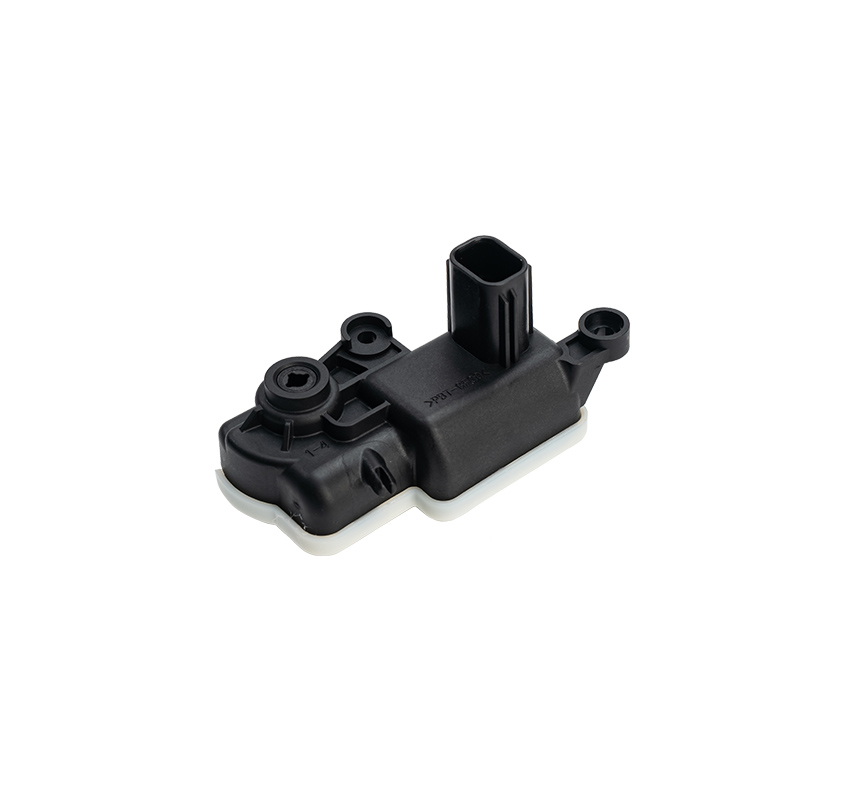
On the other hand, wireless Door Actuators are becoming increasingly popular due to their flexibility and ease of installation. They are ideal for retrofit projects or situations where running cables is difficult or expensive. Wireless actuators communicate via radio signals or Bluetooth, allowing you to control doors remotely without extensive wiring. This can be a major advantage in smart home systems or temporary setups, where mobility and adaptability are essential. However, wireless systems may require battery replacement or occasional maintenance to ensure consistent performance, and they might be more sensitive to interference from other electronic devices.
When comparing performance, wired Door Actuators generally provide faster response times and higher load capacity. This is important in applications where doors are heavy or frequently used. Wireless models, while slightly slower, offer unparalleled convenience and scalability, allowing multiple doors to be controlled from a single interface. Many modern systems even support hybrid setups, combining wired actuators for critical doors with wireless actuators for less critical access points.
Another consideration is security. Wired actuators are inherently more secure due to their direct connections, while wireless systems need robust encryption to prevent unauthorized access. For commercial or industrial installations, wired actuators are often preferred for high-security areas. Meanwhile, in residential or smart home scenarios, wireless actuators provide a user-friendly experience with smartphone apps or voice control integration.
Ultimately, the choice between a wired and wireless Door Actuator depends on your specific requirements, budget, and the environment in which the system will operate. Understanding the pros and cons of each type will help you make a confident decision, ensuring safety, convenience, and long-term reliability.
In conclusion, whether you choose a wired or wireless Door Actuator, investing in a high-quality product will enhance the security, efficiency, and usability of your doors. By carefully evaluating your project needs, you can select the best actuator type to meet your objectives and provide a seamless experience for end-users.

Mr. Hansol Kim