


Please Leave Us A Message

Haoyong Automotive Controls
In modern industrial automation, selecting the right ac actuato for ball valve systems is critical to ensuring operational efficiency, safety, and long-term reliability. Whether used in water treatment, oil & gas, HVAC piping, or chemical processing, ball valve automation requires precise torque control, proper voltage matching, and environmental protection.
1. Understand Torque Requirements
The first step in choosing an ac actuato for ball valve automation is calculating the required torque. Ball valves require different torque values depending on valve size (DN or inch), operating pressure, media type (water, steam, oil, gas), and seat material.
Always consider the maximum break torque, not just the running torque. A safety factor of 1.2–1.5 times the calculated torque is recommended to preVent Actuator overload. Undersized actuators may stall, while oversized units increase costs unnecessarily.
2. Choose the Correct Voltage and Control Type
AC actuators typically operate at 24V AC, 110V AC, 220V AC, or 380V AC. Voltage selection depends on your control system and installation environment. For industrial plants, 220V or 380V is common. For building automation or compact systems, 24V is often preferred for safety.
You also need to determine whether you require On/Off control or Modulating control (4–20mA or 0–10V signal). If precise flow regulation is required, a modulating ac actuato is necessary.
3. Consider Environmental Protection
Ball valves are often installed outdoors or in harsh environments. Therefore, IP rating is essential. For outdoor use, IP65 is the minimum, while IP67 is recommended. For explosive environments such as oil & gas industries, explosion-proof certification is mandatory.
Material selection, such as aluminum alloy housing or coated steel, also affects durability and corrosion resistance.
4. Check Mounting Compatibility
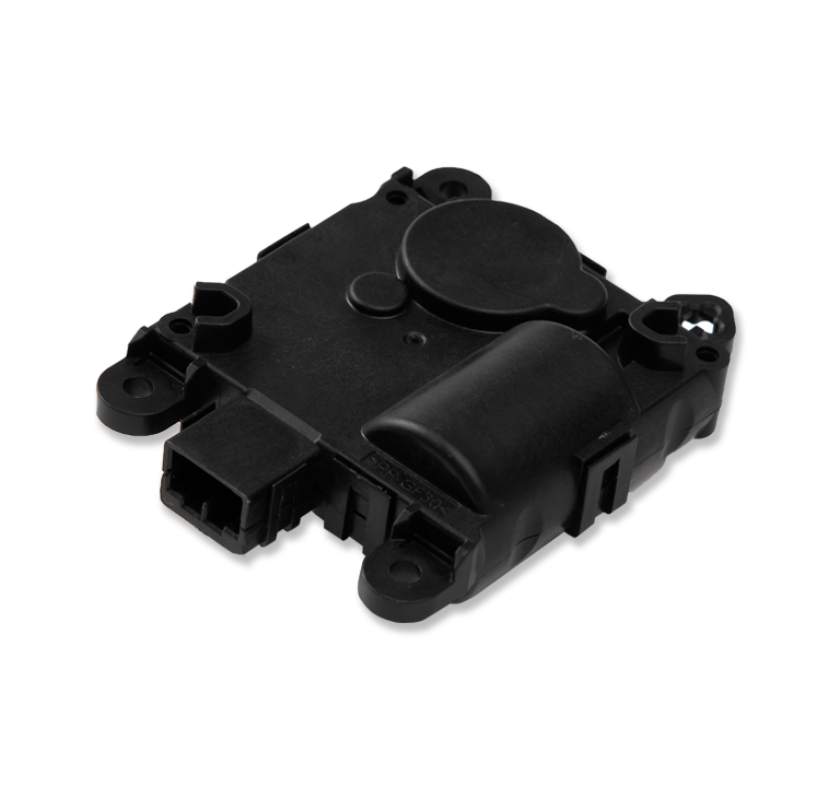
Most ball valves follow ISO 5211 mounting standards. Ensure the ac actuato flange matches your valve interface. Shaft size and drive type (square, double-D, keyed) must also be compatible. Proper mounting ensures stable operation and reduces maintenance issues.
5. Evaluate Duty Cycle and Operating Speed
For high-frequency automation systems, choose an ac actuato designed for continuous or frequent duty. Opening and closing time also matters. Standard actuators operate within 10–60 seconds depending on size. Faster operation may be required in emergency shut-off systems.
6. Look for Additional Features
Modern AC actuators may include manual override, position feedback signals, limit switches, anti-condensation heaters, and smart communication protocols such as Modbus. These features enhance integration into automated systems and improve reliability.
Choosing the right ac actuato for ball valve automation involves evaluating torque, voltage, protection level, mounting compatibility, and operational requirements. A properly selected actuator increases system lifespan, reduces downtime, and improves automation efficiency.

Mr. Hansol Kim