


Please Leave Us A Message

Haoyong Automotive Controls
When drivers turn on the air conditioning system,they expect cool air to flow through the vents.However,many vehicle owners experience a frustrating situation where the car blows hot air instead of cold.This issue is often related to several components inside the HVAC system,and one of the most common causes is a malfunctioning Automotive HVAC Actuator.
Understanding how this component works can help diagnose the problem and determine whether replacement is necessary.
Understanding the Role of an Automotive HVAC Actuator
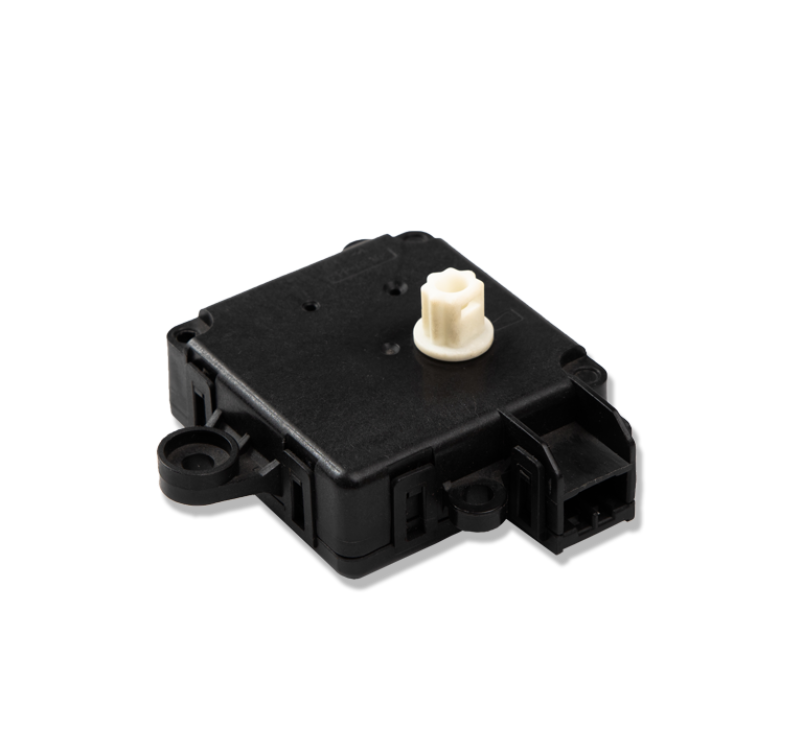
An Automotive HVAC Actuator is a small electric motor responsible for controlling the position of the HVAC air doors inside the climate control system.These doors regulate airflow direction and temperature by mixing hot and cold air.
In most vehicles,the actuator controls the blend door,which determines how much warm air from the heater core mixes with cool air from the evaporator.When the actuator moves correctly,it adjusts the door position to deliver the desired cabin temperature.
If the Automotive HVAC Actuator fails,the blend door may get stuck in one position.As a result,the system may continuously deliver hot air even when the air conditioning is set to cold.
Common Reasons Your Car Blows Hot Air
Although the Automotive HVAC Actuator is a common cause,several factors can lead to hot air blowing from the vents.
One possible reason is a low refrigerant level.If the refrigerant is insufficient,the AC system cannot generate cold air effectively.
Another possible issue is a faulty compressor or condenser.These components are essential for the cooling cycle of the air conditioning system.
However,when the temperature control does not respond to adjustments from the dashboard,the Automotive Hvac Actuator becomes the primary suspect.
Symptoms of a Faulty Automotive HVAC Actuator
There are several signs that indicate the Automotive Hvac Actuator may be malfunctioning.
One of the most noticeable symptoms is inconsistent cabin temperature.The system may suddenly switch from cold air to hot air without any change in the temperature setting.
Another common symptom is a clicking or knocking noise behind the dashboard.This sound occurs when the actuator motor attempts to move the door but fails due to worn gears.
Drivers may also notice that the temperature control knob or climate control buttons no longer affect the airflow temperature.
How the Blend Door Affects Air Temperature
Inside the HVAC system,the blend door controls how much air passes through the heater core versus the evaporator.When the door is positioned toward the evaporator,cold air enters the cabin.When it shifts toward the heater core,warm air is produced.
The Automotive Hvac Actuator moves this door according to signals from the vehicle's climate control module.If the actuator motor fails or the internal gears wear out,the blend door may remain stuck in the heating position.
This is why a faulty actuator can cause the vehicle to blow hot air even when the air conditioning system is working properly.
Diagnosing the Problem
Before replacing the Automotive Hvac Actuator,it is important to confirm that the issue is not caused by another component.A technician will usually check refrigerant pressure,compressor operation,and electrical connections first.
If those components function normally but the air temperature still does not respond to adjustments,the actuator should be inspected.
When Replacement Is Necessary
Once the actuator fails internally,repair is rarely possible.Most automotive technicians recommend replacing the Automotive Hvac Actuator to restore proper temperature control.
Modern vehicles often use multiple actuators,including temperature control actuators and airflow mode actuators.Identifying the correct actuator is essential during replacement.
Choosing a Reliable Automotive HVAC Actuator Supplier
For automotive manufacturers and aftermarket distributors,choosing a reliable Automotive Hvac Actuator supplier is critical.High-quality actuators ensure accurate temperature control,quiet operation,and long service life.
Professional suppliers typically provide actuators that meet OEM specifications and undergo durability testing to ensure consistent performance in automotive climate systems.
Conclusion
When a car blows hot air instead of cold,the issue may stem from several HVAC components.However,a faulty Automotive Hvac Actuator is one of the most common causes of temperature control problems.
Understanding the role of this small but important component helps drivers and technicians diagnose HVAC issues more effectively.By replacing a malfunctioning actuator with a high-quality unit,the vehicle's climate control system can return to normal operation and provide a comfortable driving environment.

Mr. Hansol Kim