


Please Leave Us A Message

Haoyong Automotive Controls
Passenger vehicle manufacturers are placing greater emphasis on comfort,driving experience,and interior quietness than ever before.As consumers increasingly expect smooth and silent cabin environments,low-noise automotive AC actuator solutions have become a key part of modern vehicle design.
Inside a vehicle,the HVAC system operates frequently throughout daily driving.Every airflow adjustment,temperature change,or ventilation mode switch relies on the movement of a car AC actuator.If the actuator generates excessive operating noise,passengers can easily notice clicking,buzzing,or motor sounds inside the cabin,negatively affecting the overall driving experience.
This is why automotive engineers prefer low-noise HVAC Actuator for vehicles applications.Quiet operation improves passenger comfort,especially in premium sedans,electric vehicles,and luxury SUVs where cabin silence is considered an important selling point.In electric vehicles,the absence of traditional engine noise makes actuator sounds even more noticeable,increasing the demand for quieter automotive AC actuator technology.
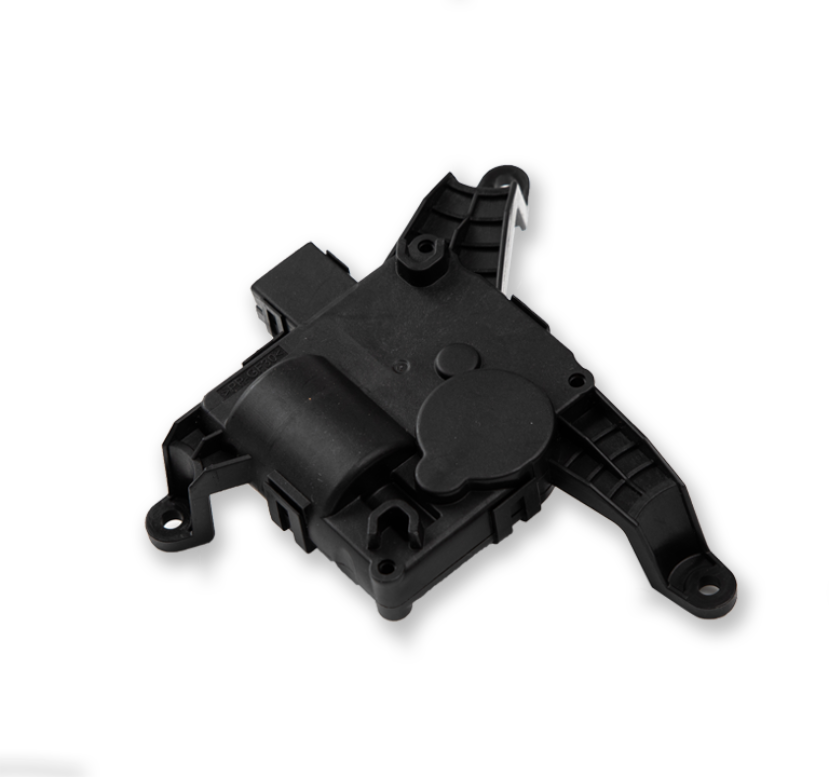
Low-noise performance is also closely related to actuator design quality.A high-quality car AC actuator typically uses optimized gear structures,precision motors,and advanced damping materials to reduce vibration and operating sound.These improvements help ensure smoother movement and more stable airflow control within the HVAC system.
Passenger comfort is not the only advantage.A quieter HVAC Actuator for vehicles system can also indicate better mechanical stability and reduced internal wear.Excessive noise often results from friction,loose components,or poor manufacturing precision.By minimizing noise,manufacturers can improve actuator lifespan and reduce future maintenance requirements.
In modern intelligent vehicles,automatic climate control systems constantly adjust airflow and cabin temperature in real time.This means the automotive AC actuator may operate repeatedly during a single trip.Low-noise operation becomes essential because frequent actuator movement should remain virtually unnoticed by passengers.
Automotive brands are also using quiet actuator systems to strengthen their market competitiveness.Consumers increasingly associate silent interiors with higher-quality vehicles.As a result,manufacturers invest heavily in refining car AC actuator performance to meet rising expectations for comfort and refinement.
Additionally,low-noise HVAC Actuator for vehicles technology supports better user experiences in autonomous and smart vehicles.As future vehicles become more connected and passenger-focused,interior environments will resemble mobile living spaces where noise reduction becomes even more important.
Today’s automotive industry continues moving toward smarter,quieter,and more energy-efficient systems.In this trend,the automotive AC actuator is no longer just a functional component.It has become an important contributor to vehicle comfort,passenger satisfaction,and overall driving quality.

Mr. Hansol Kim