


Please Leave Us A Message

Haoyong Automotive Controls
Modern vehicles rely on a variety of electronic components to ensure safety,comfort,and convenience.One of these often-overlooked components is the Mirror Actuator,a small but essential mechanism responsible for adjusting and controlling the position of side mirrors.While many people focus on the aesthetic or aerodynamic aspects of mirrors,a faulty Mirror Actuator can create significant problems,especially in extreme weather conditions.Among these,cold weather is known to pose unique challenges to automotive electronics.But can Mirror Actuators really fail in cold temperatures?Let’s explore this in detail.
Cold weather can affect vehicles in numerous ways,from engine performance to battery efficiency.The mirror actuator,being an electrically driven motor mechanism,is also susceptible.In freezing conditions,the lubricants inside the actuator can thicken,which increases resistance and slows down the movement.In some cases,the actuator motor might struggle to generate enough torque to move the mirror smoothly,leading to slower response or complete failure.This is particularly common in vehicles that have not been maintained regularly,as dirt,dust,or dried lubricants can exacerbate the problem.
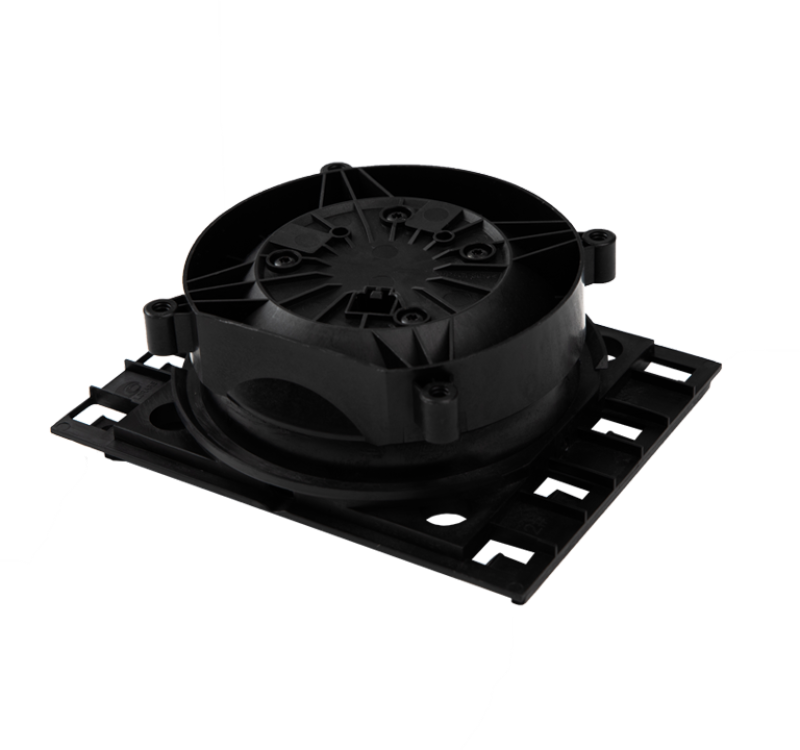
In addition to lubricant issues,the electrical components within a mirror actuator can be affected by low temperatures.Cold weather can cause contraction in metal parts and wiring,sometimes leading to poor contact or micro-cracks in soldered joints.While modern mirror actuators are designed to tolerate a range of temperatures,extreme cold beyond their operational range may temporarily or permanently affect performance.Vehicles parked outdoors during winter or in cold climates are more likely to experience these problems.
Another factor that contributes to mirror actuator failure in cold weather is moisture.Condensation can form inside the mirror housing,freezing on delicate gears and motors.Once frozen,the actuator may not operate at all until the ice melts.Repeated exposure to such conditions can accelerate wear and tear,reducing the lifespan of the actuator.
Preventing cold-weather failure of a mirror actuator involves a combination of maintenance and smart vehicle use.Regular lubrication with temperature-appropriate grease can help ensure smooth operation even when temperatures drop.Checking for any loose wiring or corrosion in the mirror assembly is also essential.For those living in particularly harsh winters,using a garage or covered parking can minimize exposure to freezing conditions.Additionally,before using the mirrors on a very cold morning,gently warming the vehicle or activating the mirror adjustment system intermittently can help prevent sudden strain on the actuator.
It is also worth noting that not all mirror actuators are created equal.High-quality OEM components often have better materials,more robust motors,and advanced temperature-resistant lubricants.Choosing a reputable brand can significantly reduce the risk of actuator failure in cold climates.Aftermarket actuators,while often more affordable,may lack the durability required for extreme conditions.
In summary,yes,mirror actuators can fail in cold weather,but the extent depends on the quality of the component,the vehicle’s maintenance,and how it is used in low temperatures.Regular inspection,proper lubrication,and mindful usage can help ensure that your mirrors remain fully functional even in freezing conditions.By understanding how cold affects mirror actuators,drivers can take preventive steps to maintain both safety and convenience on the road.

Mr. Hansol Kim