


Please Leave Us A Message

Haoyong Automotive Controls
The Mirror Actuator is a small but vital component in modern vehicles,responsible for adjusting side mirrors to the driver’s preferred angle.While often taken for granted,a malfunctioning actuator can quickly become a major inconvenience,affecting both visibility and safety.One common issue vehicle owners face is a Mirror Actuator that moves slowly or becomes completely stuck.Understanding the causes of this problem and how to address it can save time,money,and stress.
A slow or stuck Mirror Actuator can be caused by both mechanical and electrical issues.On the mechanical side,dirt,dust,or debris can accumulate inside the mirror housing over time.These particles may interfere with the smooth operation of the gears and the actuator motor,resulting in sluggish or frozen movement.Vehicles exposed to harsh environments,such as dusty roads,construction sites,or coastal areas,are particularly susceptible to this problem.
Lubrication is another mechanical factor affecting mirror actuator performance.The small gears and pivot points inside the actuator rely on proper lubrication to move freely.If the lubricant dries out,thickens,or is insufficiently applied,resistance increases,making the actuator slow or causing it to jam entirely.Regular maintenance,including cleaning and re-lubricating the mirror mechanism,is essential to ensure optimal performance.
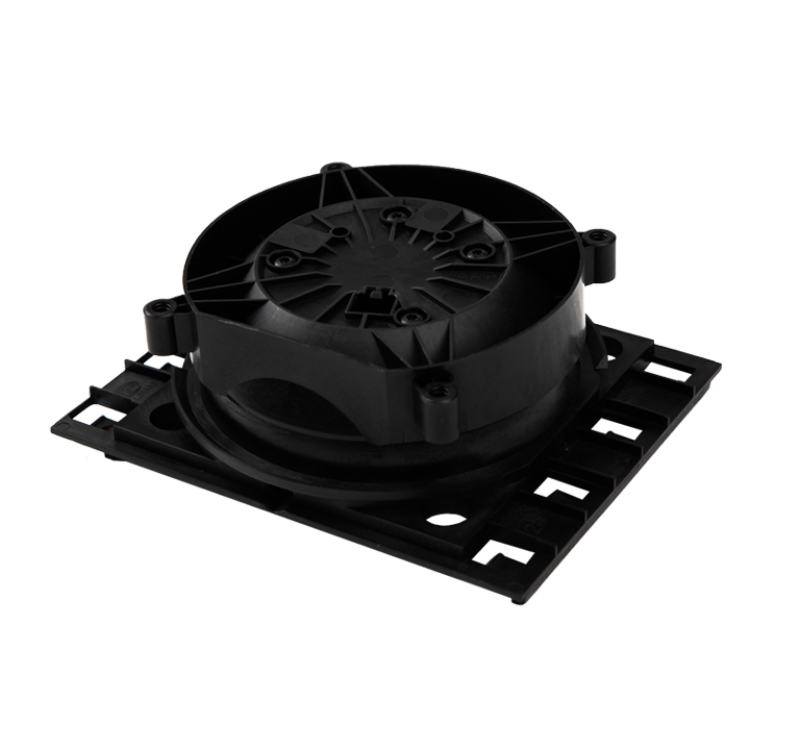
Electrical issues are also a common cause of slow or stuck mirror actuators.The actuator motor depends on consistent power from the vehicle’s electrical system.Loose wiring,corroded connectors,or a weak battery can all lead to insufficient power reaching the actuator.In such cases,the motor may struggle to move the mirror,resulting in slow or jerky adjustments.Additionally,some actuators are equipped with limit switches or sensors that can fail or become misaligned,preventing the mirror from moving properly.
Temperature extremes can exacerbate both mechanical and electrical issues.Cold weather may thicken lubricants,freeze moisture inside the actuator,or reduce battery efficiency,while excessive heat can degrade plastic components or electronic circuits over time.A slow mirror actuator may be a temporary symptom in extreme weather conditions,but repeated exposure without maintenance can lead to permanent damage.
Driver misuse can also contribute to a slow or stuck mirror actuator.Applying excessive force when adjusting a stuck mirror manually,or repeatedly pressing the adjustment button when the actuator is jammed,can damage internal gears or burn out the motor.Educating drivers about proper use and handling can prevent many common actuator problems.
Repairing or replacing a mirror actuator depends on the severity of the issue.Minor problems,such as dirt accumulation or dried lubricants,can often be resolved by cleaning and lubricating the mechanism.Electrical problems,including wiring or connector faults,may require a more technical approach,sometimes involving professional service.In cases where the actuator motor itself has failed,replacement is usually the most efficient solution.OEM parts are generally recommended,as they ensure compatibility,durability,and consistent performance.
It is also helpful to periodically inspect mirror actuators for early signs of trouble.Symptoms such as slower than usual movement,unusual noises,or inconsistent mirror positions indicate that the actuator may require attention.Addressing these issues early can prevent a total failure,ensuring continued safety and convenience.
In conclusion,a slow or stuck mirror actuator can result from mechanical wear,electrical faults,temperature extremes,or improper use.Regular maintenance,careful handling,and timely repairs are key to preventing these problems.Understanding the functioning and limitations of mirror actuators allows drivers to take proactive measures,ensuring that side mirrors remain fully operational,safe,and reliable at all times.

Mr. Hansol Kim