


Please Leave Us A Message

Haoyong Automotive Controls
Night driving relies heavily on proper headlamp performance. Modern vehicles use a Headlamp Actuator to adjust the position and angle of the headlights, ensuring optimal road illumination without causing glare to other drivers. When this critical component fails, visibility can be compromised, potentially increasing the risk of accidents. Understanding how a defective Headlight Actuator affects vehicle safety can help drivers and manufacturers maintain reliable lighting performance.
A Headlamp Actuator is an electromechanical device that controls the movement and alignment of vehicle headlights. It is commonly integrated into adaptive lighting systems, automatic leveling systems, and advanced driver assistance technologies. The actuator receives signals from the vehicle control system and adjusts the headlamp position accordingly.
An Automotive Headlamp Actuator is designed to provide precise movement, quick response, and long-term durability under demanding automotive conditions. These actuators play a key role in maintaining proper beam alignment during vehicle acceleration, braking, cornering, and varying load conditions.
A malfunctioning Headlight Actuator can significantly reduce visibility. If the actuator fails to adjust the beam correctly, headlights may point too high or too low. Improper beam positioning can create several safety concerns:
Reduced visibility of road signs and obstacles.
Shortened illumination distance ahead of the vehicle.
Increased glare for oncoming drivers.
Difficulty driving on winding roads and uneven terrain.
Reduced effectiveness of adaptive lighting systems.
In severe cases, a failed Auto Headlamp Actuator may leave the headlights fixed in an incorrect position, making nighttime driving considerably more dangerous.
Drivers may notice several warning signs indicating a potential actuator issue:
Headlights that do not level automatically.
Uneven headlight beam patterns.
Headlights pointing too high or too low.
Unusual clicking or grinding noises from the headlamp assembly.
Dashboard warning messages related to the lighting system.
Early diagnosis helps prevent further damage and ensures that the lighting system continues to operate safely.
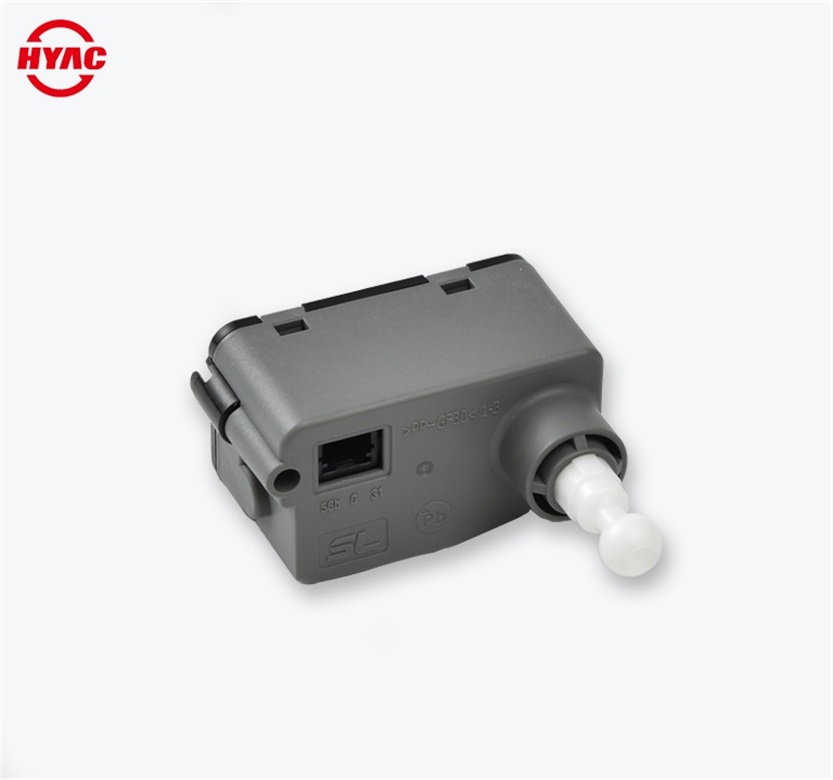
Today's vehicles increasingly depend on advanced lighting technology. A high-quality Headlamp Actuator is commonly used in:
Automatic headlamp leveling systems.
Adaptive Front Lighting Systems (AFS).
LED matrix headlamp systems.
Luxury passenger vehicles.
Electric vehicles and intelligent mobility platforms.
These applications require accurate and reliable actuator performance to maximize driver visibility while complying with road safety regulations.
To ensure dependable operation, manufacturers typically focus on several important features:
High positioning accuracy.
Fast response time.
Low operating noise.
Compact design for easy integration.
Resistance to vibration, dust, and moisture.
Long service life under extreme temperatures.
A well-designed Automotive Headlamp Actuator contributes directly to safer driving experiences and improved lighting system performance.
Yes, a defective Headlamp Actuator can negatively affect driving safety at night. Since proper headlight alignment is essential for visibility and road awareness, any malfunction in the Headlight Actuator should be addressed promptly. By choosing a high-quality Automotive Headlamp Actuator and performing regular inspections, vehicle manufacturers and owners can maintain optimal lighting performance and enhance overall road safety.

Mr. Hansol Kim