


Please Leave Us A Message

Haoyong Automotive Controls
A Headlamp Actuator plays a critical role in modern automotive lighting systems by ensuring headlights remain properly aligned under varying driving conditions. Although these components are engineered for long-term performance, premature actuator motor failure can still occur. Understanding the common causes of failure helps vehicle manufacturers, maintenance professionals, and fleet operators improve system reliability and reduce replacement costs.
The motor inside a Headlight Actuator converts electrical signals into precise mechanical movement. This movement adjusts the vertical or horizontal position of the headlamp assembly to provide optimal illumination and reduce glare for other road users.
An Automotive Headlamp Actuator is commonly used in automatic leveling systems, adaptive lighting systems, and advanced LED headlamp technologies. Because the actuator operates frequently throughout the vehicle's lifetime, durability is essential.
One of the most common causes of premature failure is moisture intrusion. Although modern actuators are designed with protective seals, damaged housings or poor sealing can allow water to enter the unit.
Moisture can lead to:
Motor corrosion.
Electrical short circuits.
Connector degradation.
Reduced operational efficiency.
A properly sealed Auto Headlamp Actuator is essential for maintaining performance in harsh environmental conditions.
Vehicles regularly encounter road vibrations, potholes, and uneven surfaces. Over time, excessive vibration can accelerate wear on gears, motor components, and internal connections.
Manufacturers of high-quality Headlamp Actuator systems typically perform extensive vibration testing to ensure reliable operation throughout the product lifecycle.
Automotive electrical systems occasionally experience voltage spikes or unstable power conditions. Repeated exposure to electrical overload can damage actuator motors and control circuits.
Potential issues include:
Overheating of motor windings.
Circuit board damage.
Reduced motor efficiency.
Unexpected actuator failure.
Stable electrical integration is critical for the long-term reliability of every Automotive Headlamp Actuator.
Inside every Headlight Actuator are gears and drive mechanisms that convert motor rotation into controlled movement. Frequent adjustments throughout years of operation can eventually lead to wear.
Common wear-related issues include:
Gear tooth degradation.
Increased backlash.
Reduced positioning accuracy.
Higher operating noise.
Using high-strength engineering plastics and precision gear designs can significantly extend actuator lifespan.
Headlamp systems operate in environments ranging from freezing winter temperatures to extreme summer heat. Continuous thermal cycling places stress on motors, electronics, seals, and lubrication materials.
A durable Auto Headlamp Actuator should be capable of maintaining consistent performance across a wide operating temperature range.
Reliable Headlamp Actuator performance is especially important in:
Adaptive LED headlamp systems.
Premium passenger vehicles.
Electric vehicles.
Commercial vehicle lighting systems.
Advanced driver assistance systems.
In these applications, actuator failure can impact both lighting effectiveness and overall driving safety.
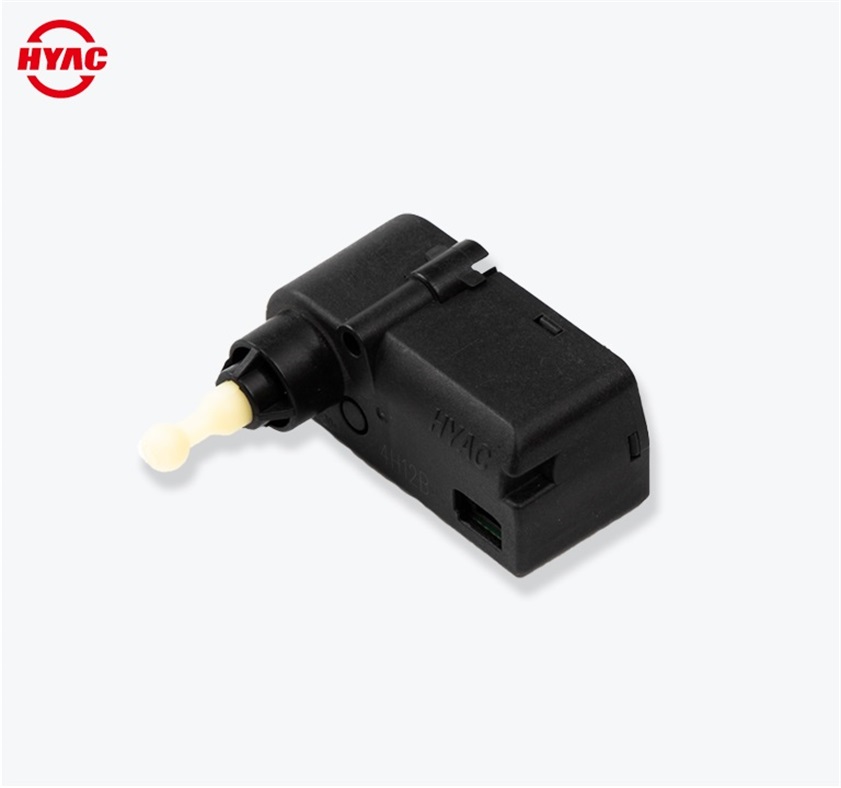
Waterproof and dustproof housing design.
High-quality motor components.
Precision gear transmission systems.
Temperature-resistant materials.
Enhanced vibration resistance.
Automotive-grade quality testing.
These features help manufacturers deliver dependable Headlight Actuator solutions for demanding automotive environments.
Premature failure of a Headlamp Actuator motor is often caused by moisture exposure, vibration, electrical overload, mechanical wear, and extreme temperatures. Selecting a high-quality Automotive Headlamp Actuator with robust engineering and rigorous testing can significantly improve reliability. For automotive manufacturers and suppliers, investing in durable Auto Headlamp Actuator technology helps ensure consistent lighting performance and long-term vehicle safety.

Mr. Hansol Kim